Water scarcity, strict environmental regulations, and increasing industrial wastewater challenges have made water management a critical priority for industries worldwide. Traditional wastewater treatment methods can reduce pollution levels, but they often leave behind treated water that still requires further disposal or management. This is where Zero Liquid Discharge ETP systems are transforming the way industries handle wastewater.
Zero Liquid Discharge ETP is an advanced wastewater treatment solution designed to recover maximum water from industrial effluent while completely eliminating liquid waste discharge. By integrating advanced filtration, evaporation, and crystallisation technologies, these systems help industries recycle and reuse water efficiently, reduce environmental impact, and achieve sustainable wastewater management.
With a focus on water conservation and regulatory compliance, Zero Liquid Discharge technology enables industries to minimize freshwater consumption, recover valuable resources, and move towards cleaner and more responsible industrial operations.
What is Zero Liquid Discharge ETP?
A Zero Liquid Discharge ETP is a wastewater treatment solution where all liquid waste generated from industrial processes is treated and recovered, leaving behind only solid residues. Unlike conventional ETP systems where treated wastewater may still be discharged, ZLD technology focuses on complete water recovery and reuse.
The main objective of a ZLD system is to separate water from dissolved salts, chemicals, and contaminants. The recovered water can then be reused for industrial applications such as cooling, cleaning, manufacturing processes, and boiler feed systems.
Industries that generate high levels of wastewater, including textiles, pharmaceuticals, chemicals, food processing, power plants, and manufacturing units, are increasingly adopting ZLD solutions to meet sustainability goals and regulatory requirements.
How Does a Zero Liquid Discharge System Work?
A ZLD ETP typically involves multiple stages of treatment to achieve maximum water recovery. Each stage plays an important role in removing impurities and converting wastewater into reusable resources.
1. Pre-Treatment Process
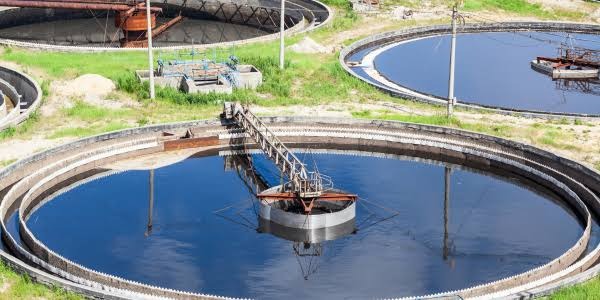
The first stage involves removing large particles, suspended solids, oils, and other contaminants from wastewater. Processes such as screening, chemical treatment, and clarification help prepare the water for advanced treatment.
Proper pre-treatment improves the efficiency of the entire ZLD system and protects downstream equipment from damage.
2. Advanced Filtration
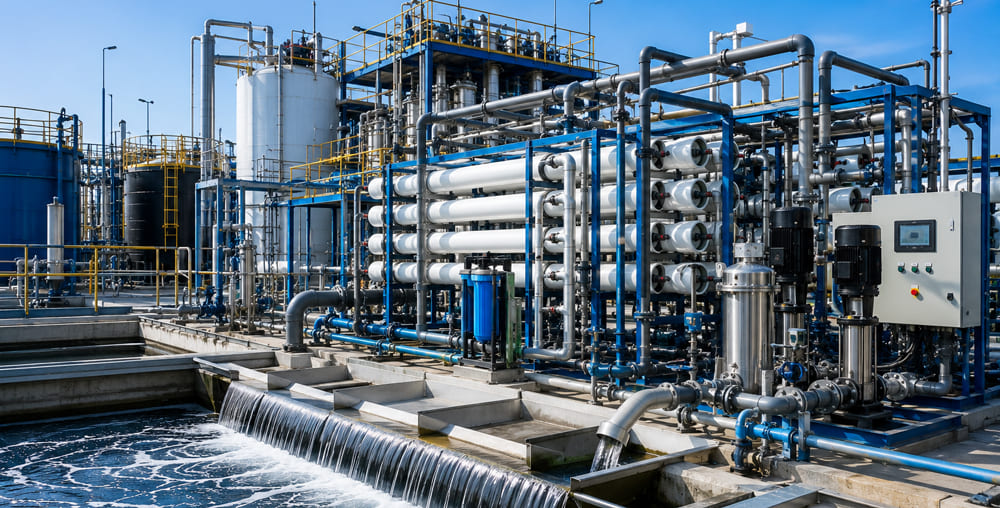
After pre-treatment, advanced filtration technologies such as Ultrafiltration (UF) and Reverse Osmosis (RO) are used to remove dissolved impurities and fine particles.
Reverse Osmosis plays a major role in separating clean water from concentrated wastewater by using high-pressure membranes. The recovered water can be reused, while the concentrated stream moves to the next stage.
3. Evaporation and Concentration
The remaining concentrated wastewater contains high levels of dissolved salts and minerals. Multiple Effect Evaporators (MEE) or Mechanical Vapour Recompression (MVR) systems are used to evaporate water from this concentrate.
The evaporated water is condensed, collected, and treated further for reuse.
4. Crystallisation Process
The final stage involves crystallisation, where the remaining dissolved solids are converted into dry crystals. These solid residues can be safely collected and managed according to environmental standards.
Through this process, no liquid waste leaves the treatment facility, achieving complete liquid discharge elimination.
Benefits of Zero Liquid Discharge ETP
Maximum Water Recovery
One of the biggest advantages of ZLD technology is its ability to recover and recycle a significant percentage of wastewater. Industries can reduce their dependence on freshwater sources and improve overall water efficiency.
Environmental Protection
Untreated or poorly managed industrial wastewater can harm ecosystems and contaminate natural water resources. ZLD systems prevent liquid discharge into the environment, helping industries operate responsibly.
Compliance with Regulations
Many industries face strict wastewater discharge regulations. Implementing a Zero Liquid Discharge ETP helps businesses meet environmental standards and avoid penalties related to wastewater disposal.
Reduced Water Costs
By recycling treated water within industrial operations, companies can reduce freshwater consumption and lower long-term operational expenses.
Sustainable Industrial Operations
ZLD technology supports industries in achieving sustainability targets by promoting water conservation, resource recovery, and environmentally responsible production.
Industries That Benefit from ZLD Technology
Several industries generate complex wastewater that requires advanced treatment solutions. Zero Liquid Discharge ETP systems are widely used in:
Textile Industry:
Textile manufacturing produces wastewater containing dyes, chemicals, and high dissolved solids. ZLD systems help recover water and manage concentrated waste effectively.
Chemical Industry:
Chemical processing units often generate wastewater with high salt and chemical content. ZLD helps separate valuable water resources while safely handling residual waste.
Pharmaceutical Industry:
Pharmaceutical wastewater contains complex organic compounds and chemical residues. Advanced ZLD treatment ensures safe water recovery.
Power Generation Industry:
Power plants consume large quantities of water and generate wastewater from cooling and boiler operations. ZLD helps recycle water and reduce freshwater dependency.
Food Processing Industry:
Food industries can use ZLD systems to treat wastewater containing organic matter and dissolved solids while improving water reuse.
The Future of Water Management with ZLD
As industries continue to expand, responsible water management will become essential for long-term growth. Water availability is becoming a major concern, and companies are looking for innovative solutions that balance production needs with environmental responsibility.
Zero Liquid Discharge ETP technology represents the future of industrial water recovery by converting wastewater into a valuable resource. Instead of viewing wastewater as waste, industries can recover water, reduce environmental impact, and create a more sustainable production cycle.
With advancements in membrane technology, energy-efficient evaporation systems, and automation, modern ZLD solutions are becoming more effective and economical. Industries that adopt these technologies can improve operational efficiency while contributing to global water conservation efforts.
Conclusion
Zero Liquid Discharge ETP is more than just a wastewater treatment system; it is a sustainable approach towards protecting water resources and improving industrial efficiency. By enabling complete water recovery and eliminating liquid discharge, ZLD technology helps industries achieve environmental compliance and build a cleaner future.
Effective wastewater management also focuses on understanding how to reduce BOD and COD in wastewater, as these parameters determine the level of organic pollutants present in industrial effluent. Advanced treatment processes used in ZLD systems, including biological treatment, filtration, evaporation, and recovery technologies, help lower BOD and COD levels while improving overall water quality.
As water challenges continue to grow, investing in advanced solutions like Zero Liquid Discharge ETP will play a vital role in creating sustainable industries, reducing wastewater impact, and preserving valuable water resources for future generations.