Membrane Bioreactor (MBR) systems have become an effective solution for modern wastewater treatment. They combine biological treatment with membrane filtration to produce high-quality treated water suitable for various reuse applications. Industries looking to remove heavy metals from industrial effluent can integrate MBR systems with appropriate advanced treatment technologies to improve water quality and support environmental compliance.
However, membrane fouling is a common operational challenge that can reduce filtration efficiency, increase energy consumption and affect overall treatment performance.
Understanding the causes of membrane fouling and implementing effective preventive maintenance practices can help industries improve system reliability, extend membrane lifespan and reduce operating expenses.
What Is Membrane Fouling?
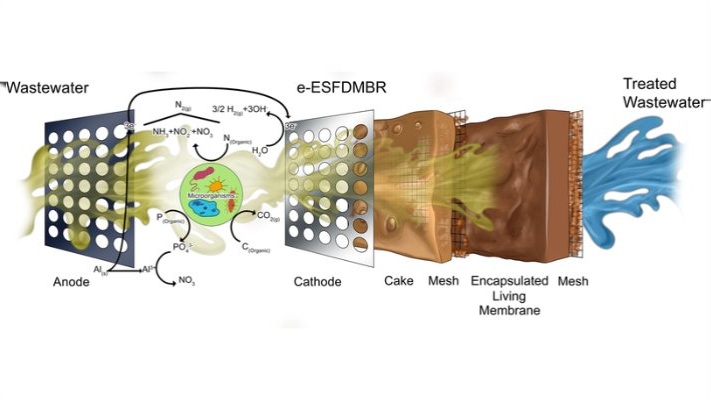
Membrane fouling occurs when suspended particles, microorganisms, organic materials or dissolved substances accumulate on membrane surfaces or within membrane pores.
This accumulation restricts water flow and increases the pressure required for filtration.
Common consequences include reduced water output, increased energy consumption, frequent chemical cleaning, higher maintenance costs and shorter membrane lifespan.
Preventing fouling is essential for maintaining consistent wastewater treatment performance.
7 Effective Ways to Prevent Membrane Fouling
1
Improve Wastewater Pre-Treatment
Effective pre-treatment helps remove unwanted materials before wastewater enters the membrane system.
Large particles, plastics, fibres, oil and grease can contribute to membrane blockage and reduce filtration efficiency.
Industries should consider appropriate screening systems, grit removal, oil and grease separation, and equalisation tanks based on their wastewater characteristics.
Proper pre-treatment reduces unnecessary stress on membranes and supports stable biological treatment.
2
Maintain Proper Aeration
Aeration plays an important role in biological wastewater treatment and membrane cleaning.
In submerged MBR systems, air bubbles help create movement around membrane surfaces, reducing the accumulation of suspended solids.
Insufficient aeration may encourage fouling, while excessive aeration can increase electricity consumption.
Plant operators should regularly monitor aeration performance and maintain airflow according to the membrane manufacturer's recommendations.
Regular inspection of blowers and air diffusers can also help maintain consistent system performance.
3
Monitor Transmembrane Pressure
Transmembrane pressure (TMP) is an important indicator of membrane filtration performance.
A gradual increase in TMP at a constant filtration rate may indicate that contaminants are accumulating on the membrane surface.
Operators should regularly monitor:
- Transmembrane pressure
- Water filtration rate
- Membrane permeability
- Treated water quality
- Energy consumption
Maintaining daily operational records helps identify performance changes before they become major problems.
Early detection can reduce unexpected shutdowns and unnecessary maintenance expenses.
4
Maintain Optimal Biological Conditions
The biological treatment process directly influences membrane performance.
Unstable biological conditions can increase the production of substances that contribute to membrane fouling.
Implementing MBR Technology in STP requires careful management of dissolved oxygen, pH, sludge concentration, temperature and organic loading.
Sudden changes in incoming wastewater quality can disturb biological activity. Equalisation tanks and regular wastewater testing can help manage these fluctuations.
Maintaining suitable biological conditions improves treatment stability and supports effective membrane filtration.
5
Follow a Regular Membrane Cleaning Schedule
Regular membrane cleaning helps remove accumulated contaminants and restore filtration performance.
Depending on the membrane design, cleaning methods may include relaxation cycles, backwashing, maintenance cleaning and chemical recovery cleaning.
However, using unsuitable chemicals or incorrect concentrations can permanently damage membrane materials.
Cleaning procedures should follow the manufacturer's guidelines and be based on actual membrane performance rather than unnecessary fixed-frequency cleaning.
A well-planned cleaning schedule can help extend membrane lifespan and minimise operational interruptions.
6
Avoid Excessive Filtration Rates
Increasing filtration rates beyond the recommended operating capacity may provide additional water output temporarily, but it can accelerate membrane fouling.
Every membrane system has specific operating limits based on its design and wastewater characteristics.
Operating within recommended filtration limits helps maintain stable water production, reduce pressure buildup and minimise cleaning requirements.
Industries experiencing increased wastewater volumes should evaluate system capacity instead of continuously overloading existing membranes.
Upgrading membrane capacity may provide a more reliable long-term solution.
7
Implement Preventive Maintenance and Automation
Preventive maintenance allows plant operators to identify developing issues before they result in equipment failure.
Automated monitoring systems can help track important operational parameters, generate alerts and support timely corrective actions.
Routine maintenance should include checking pumps, inspecting pipelines, calibrating sensors, monitoring blower performance and evaluating membrane conditions.
Combining automation with trained plant operators can improve operational consistency and reduce avoidable downtime.
What Are the Benefits of Preventing Membrane Fouling?
Effective membrane fouling management provides several long-term benefits for wastewater treatment facilities. Implementing reliable Industrial wastewater treatment solutions helps businesses optimize membrane performance, improve operational efficiency and reduce maintenance costs.
These benefits include lower energy consumption, improved treated water quality, reduced chemical usage, longer membrane service life and fewer unexpected maintenance requirements.
Reliable membrane performance also supports industrial water reuse initiatives, promotes sustainable water management and helps businesses reduce their dependence on freshwater resources.
However, actual savings depend on wastewater characteristics, equipment selection, operating conditions and maintenance practices.
How Senkar Watertech Can Help
Senkar Watertech provides water and wastewater treatment solutions tailored to industrial requirements, including membrane filtration, MBR systems and advanced water recovery technologies.
Through appropriate system selection, engineering support and maintenance planning, industries can improve treatment efficiency and address operational challenges.
Selecting the right treatment technology based on wastewater quality and operational requirements is essential for achieving reliable, long-term performance.
Conclusion
Preventing membrane fouling requires a combination of effective pre-treatment, proper aeration, regular monitoring, controlled filtration rates and preventive maintenance.
Rather than waiting for membrane performance to decline, industries should adopt a proactive approach to wastewater treatment management.
With appropriate technology and consistent maintenance, businesses can improve operational reliability, optimise treatment costs and support sustainable water management.