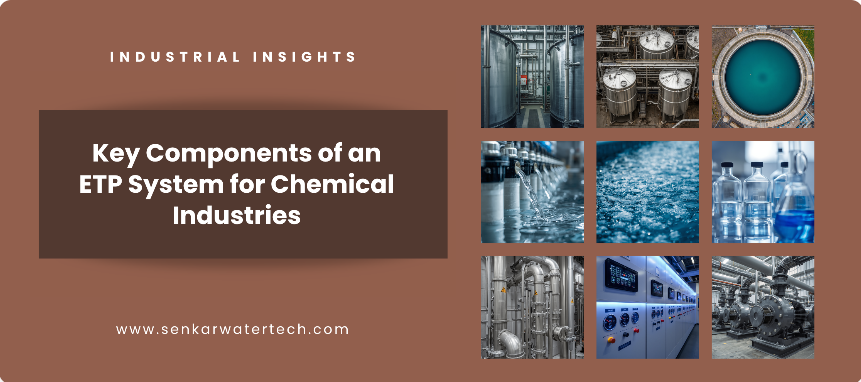
Effluent treatment plays a critical role in managing industrial wastewater, especially in sectors where chemical processes generate complex and hazardous waste. Implementing the right ETP technology for chemical industry is essential to ensure safe disposal, regulatory compliance, and environmental protection.
Chemical industries produce wastewater that contains toxic substances, high levels of dissolved solids, and fluctuating pH levels. To handle this effectively, a well-designed Effluent Treatment Plant (ETP) is required. In this blog, we will explore the key components that make an ETP system efficient and reliable for chemical industries.
Why ETP Systems Are Important for Chemical Industries
Before understanding the components, it is important to know why choosing the right ETP technology for chemical industry is crucial. Chemical effluents are often non-biodegradable and harmful to ecosystems. Without proper treatment, they can contaminate water sources and pose serious health risks.
A robust ETP system ensures:
- Removal of toxic contaminants
- Compliance with pollution control norms
- Safe discharge or reuse of treated water
- Reduced environmental impact
Key Components of an ETP System
1. Collection Tank
The first stage in any ETP system is the collection tank. This is where all the wastewater generated from different sections of the chemical plant is gathered.
In advanced ETP technology for chemical industry, the collection tank is designed to handle variations in flow and composition. It acts as a buffer, ensuring a steady flow of wastewater to the next stages of treatment.
2. Equalization Tank
Chemical wastewater often has inconsistent characteristics. The equalization tank plays a vital role in balancing these variations.
This component ensures:
- Uniform flow rate
- Stabilized pH levels
- Consistent pollutant concentration
By maintaining uniformity, the efficiency of downstream processes in the ETP technology for chemical industry improves significantly.
3. pH Correction System
One of the biggest challenges in treating chemical effluents is managing pH levels. Wastewater may be highly acidic or alkaline.
The pH correction system adjusts the pH to an optimal range using chemicals such as acids or alkalis. Proper pH balance is essential for effective chemical reactions and biological treatment processes in any ETP technology for chemical industry.
4. Coagulation and Flocculation Unit
This stage focuses on removing suspended solids and colloidal particles that cannot be settled easily.
- Coagulation involves adding chemicals (coagulants) to destabilize particles
- Flocculation helps these particles combine into larger flocs
These flocs can then be easily removed in later stages. This process is a key part of efficient ETP technology for chemical industry, especially when dealing with complex chemical waste.
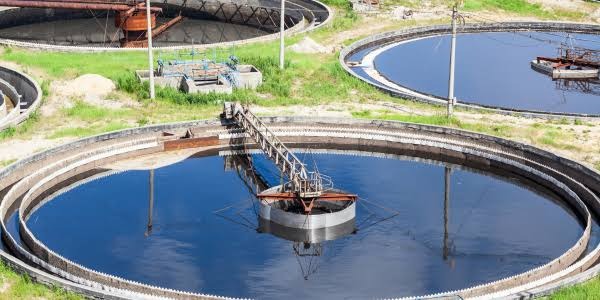
5. Primary Clarifier
After coagulation and flocculation, the wastewater enters the primary clarifier.
Here:
- Heavy solids settle at the bottom as sludge
- Clear water moves to the next stage
This component reduces the load on further treatment processes and improves overall system efficiency in ETP technology for chemical industry.
6. Biological Treatment Unit
In this stage, microorganisms are used to break down organic pollutants present in the wastewater.
Common methods include:
- Activated sludge process
- Aeration systems
Though chemical wastewater can be challenging, properly designed biological units in ETP technology for chemical industry can significantly reduce organic load.
7. Secondary Clarifier
The secondary clarifier separates biological sludge from treated water.
- Biomass settles at the bottom
- Treated water flows to advanced treatment stages
This step ensures that the water is further purified and ready for tertiary treatment in modern ETP technology for chemical industry.
8. Tertiary Treatment System
For higher levels of purification, tertiary treatment is used. This stage may include:
- Filtration (sand filters, carbon filters)
- Reverse osmosis (RO)
- Advanced oxidation processes
Tertiary treatment is essential in industries that aim for reuse or zero liquid discharge, making it a crucial part of advanced ETP technology for chemical industry.
9. Sludge Treatment System
The sludge generated from various stages must be handled properly.
This system includes:
- Sludge thickening
- Dewatering (filter press, centrifuge)
- Safe disposal
Efficient sludge management ensures that the entire ETP technology for chemical industry remains sustainable and compliant.
10. Disinfection Unit
Before final discharge or reuse, the treated water is disinfected to remove harmful pathogens.
Common methods:
This final step ensures that the treated water meets safety and regulatory standards under modern ETP technology for chemical industry.
Why ETP Matters
A well-designed Effluent Treatment Plant is essential for managing the complex wastewater generated by chemical industries. Each component plays a specific role in ensuring efficient treatment, from initial collection to final discharge.
Choosing the right ETP technology for chemical industry not only helps in meeting environmental regulations but also improves operational efficiency and sustainability. With expert solutions from Senkar Water Tech, industries can implement reliable and advanced ETP systems tailored to their specific needs.
Investing in the right ETP components today ensures a cleaner, safer, and more sustainable future for tomorrow.