Water is an essential resource for almost every industrial process. Manufacturing, textile processing, pharmaceuticals, chemicals, power generation, food production, and many other industries require significant quantities of water every day. However, increasing water scarcity, rising freshwater costs, and stricter wastewater regulations are encouraging industries to rethink how they manage and reuse water.
A Zero Liquid Discharge ETP, commonly known as a ZLD ETP, offers an effective solution for industries that want to reduce wastewater discharge and maximise water recovery. Instead of treating industrial wastewater and releasing it into the environment, a ZLD system treats, concentrates, and recovers water for reuse within the facility.
By converting wastewater into reusable water and separating dissolved salts and solid residues, Zero Liquid Discharge ETP systems can help industries reduce their dependence on freshwater sources while improving long-term water management. In addition, optimising treatment processes and membrane performance can contribute to Energy savings in RO systems, helping industries reduce operational costs while improving the efficiency of water recovery and reuse.
Understanding Zero Liquid Discharge ETP
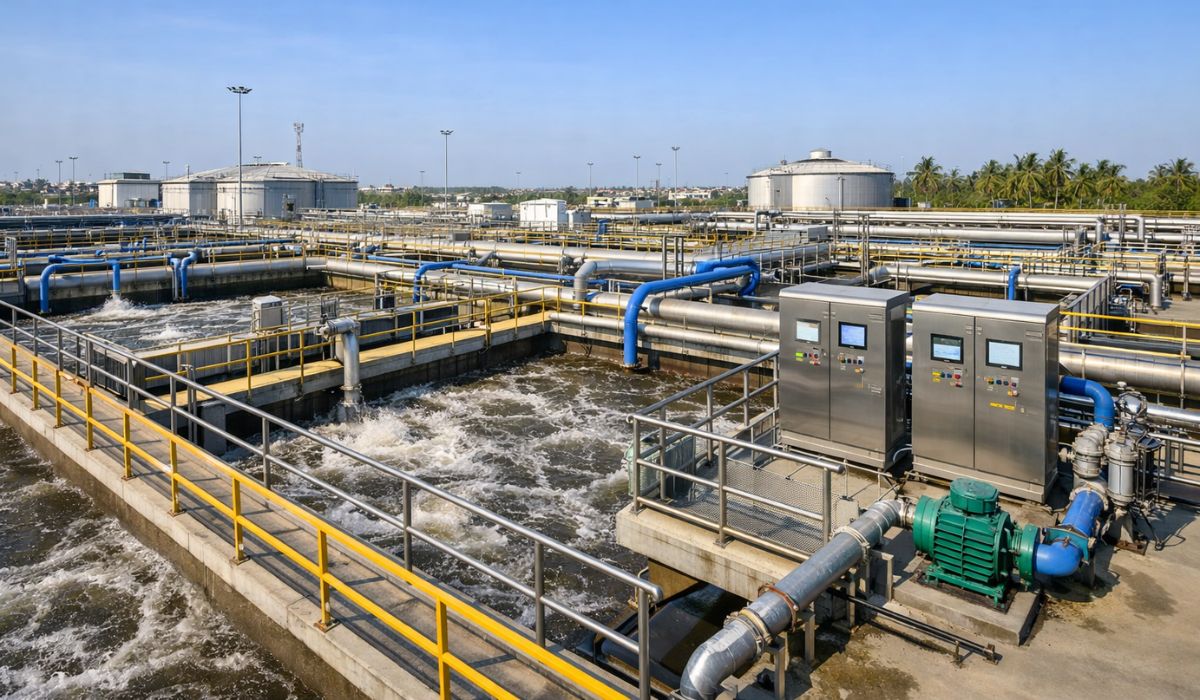
Zero Liquid Discharge is an advanced wastewater treatment approach designed to minimise or eliminate liquid waste discharge from an industrial facility. The system treats wastewater through multiple processes to recover as much clean water as possible.
A typical Zero Liquid Discharge ETP may include several treatment stages, such as:
- Preliminary and primary treatment
- Biological or chemical treatment
- Membrane filtration
- Reverse osmosis
- Multiple-effect evaporation or mechanical vapour recompression
- Crystallisation and solid waste handling
The exact configuration depends on the quality and quantity of wastewater generated by the industry. Wastewater containing high levels of TDS, chemicals, organic pollutants, or salts may require a combination of specialised treatment technologies.
The main objective is simple: recover usable water and reduce the volume of wastewater that requires disposal.
Reducing Dependence on Freshwater Sources
One of the biggest ways a Zero Liquid Discharge ETP helps industries save water is by enabling treated wastewater to be reused.
In a conventional industrial wastewater treatment system, treated water may be discharged after meeting regulatory standards. Although this approach controls pollution, the industry may still need to continuously withdraw freshwater for production and operational activities.
After advanced treatment, recovered water can potentially be reused for suitable industrial applications, depending on the required water quality. This may include cooling systems, boiler feedwater after additional treatment, washing operations, process applications, utility requirements, or other non-potable industrial uses.
As a result, industries can reduce the amount of freshwater required for daily operations.
Recovering Water from High-TDS Wastewater
High-TDS wastewater is one of the most challenging forms of industrial wastewater. It may contain dissolved salts, minerals, chemicals, and other contaminants that cannot be effectively managed through conventional treatment alone.
Industries such as textiles, chemicals, pharmaceuticals, and certain manufacturing facilities may generate wastewater with high levels of dissolved solids.
A Zero Liquid Discharge ETP uses advanced technologies to separate water from concentrated contaminants.
For example, membrane systems such as reverse osmosis can recover a significant portion of water from pre-treated wastewater. The concentrated reject stream can then be sent to an evaporator or other concentration system, where additional water is separated and recovered.
This multi-stage process allows industries to extract more usable water from wastewater that might otherwise be difficult to reuse.
Creating a Closed-Loop Water Management System
A major advantage of Zero Liquid Discharge ETP systems is their ability to support a more circular approach to industrial water use.
Instead of following a linear process:
Freshwater → Industrial Process → Wastewater → Discharge
Industries can move towards a more efficient cycle:
Freshwater → Industrial Process → Wastewater Treatment → Water Recovery → Reuse
This closed-loop approach allows the same water resource to support industrial operations multiple times before requiring replacement.
Over time, this can significantly reduce the overall demand for freshwater. It also helps industries become less dependent on external water supplies, which can be particularly valuable in areas facing water shortages or seasonal supply challenges.
Improving Water Efficiency Across Industrial Operations
Installing a Zero Liquid Discharge ETP can also encourage industries to examine their entire water consumption pattern.
To operate efficiently, a ZLD system requires industries to understand:
- Where water is being used
- How much wastewater is generated
- Which processes create high-TDS streams
- Which streams can be reused directly
- What level of treatment is required for each application
Installing a Zero Liquid Discharge ETP can also encourage industries to examine their entire water consumption pattern.
For example, wastewater with relatively low contamination may require less intensive treatment than highly concentrated wastewater. By avoiding the unnecessary mixing of different wastewater streams, industries can optimize treatment and improve overall water recovery.
This approach supports better water management beyond the ETP itself.
Supporting Sustainable Industrial Growth
As industrial operations expand, water demand often increases. Relying entirely on freshwater sources may become costly and environmentally challenging.
A Zero Liquid Discharge ETP supports more sustainable growth by recovering water already available within the industrial facility.
Rather than viewing wastewater only as a disposal problem, industries can treat it as a resource containing recoverable water.
This approach can help businesses:
- Reduce freshwater consumption
- Increase water reuse
- Minimise wastewater discharge
- Manage high-TDS wastewater more effectively
- Improve environmental performance
- Support long-term water sustainability
Water recovery can also help industries prepare for changing environmental regulations and increasing pressure to reduce industrial water consumption.
Reducing the Environmental Impact of Wastewater
Industrial wastewater can contain dissolved salts, chemicals, organic matter, heavy metals, and other contaminants, depending on the industry and production process.
If not properly managed, these pollutants can affect surface water, groundwater, and surrounding ecosystems.
A Zero Liquid Discharge ETP reduces this risk by minimising the amount of liquid wastewater released from the facility. Instead of discharging concentrated wastewater, the system separates recoverable water from concentrated salts and solids.
The recovered water can be reused, while the remaining concentrated material is managed through appropriate solid or hazardous waste handling methods, depending on its composition.
This helps industries take greater control of their wastewater and reduce their environmental footprint.
Long-Term Benefits of Water Recovery
Although a Zero Liquid Discharge ETP requires investment in advanced treatment technologies, the long-term benefits can be significant.
Water costs can increase due to extraction, transportation, treatment, and regulatory requirements. In regions where freshwater availability is limited, the cost of securing a reliable water supply may become even more challenging.
By recovering and reusing water, industries can reduce their dependence on external sources. The exact savings will depend on factors such as wastewater characteristics, recovery rates, energy consumption, plant capacity, and the intended reuse applications. Effective sludge management is also an important part of the treatment process, and the appropriate use of Sludge Dewatering Chemicals can help improve the separation of water from sludge and support more efficient handling and disposal.
A properly designed system should therefore focus not only on achieving high water recovery but also on balancing recovery performance with operational efficiency, sludge management, and lifecycle costs.
Choosing the Right Zero Liquid Discharge ETP
Every industrial facility generates wastewater with different characteristics. Therefore, a ZLD system should not be treated as a one-size-fits-all solution.
Before designing a Zero Liquid Discharge ETP, industries should evaluate:
Wastewater quality
TDS, COD, BOD, salts, chemicals, and other contaminants must be analysed.
Wastewater quantity
The daily and peak wastewater generation will influence system capacity.
Water reuse requirements
The quality of recovered water should match its intended industrial application.
Energy consumption
Evaporation and concentration processes can require significant energy, making energy efficiency an important consideration.
Waste disposal
Concentrated salts and solids require proper handling and disposal or recovery.
A well-designed ZLD ETP combines suitable technologies based on the specific needs of the facility.
Conclusion
A Zero Liquid Discharge ETP helps industries save water by transforming wastewater into a valuable resource. Through advanced treatment, membrane separation, concentration, and water recovery processes, industries can reuse a substantial portion of treated water and reduce their dependence on freshwater supplies.
More importantly, ZLD supports a shift towards responsible industrial water management. It encourages industries to recover, reuse, and optimize water instead of relying solely on continuous freshwater consumption and wastewater discharge.
As water availability becomes an increasingly important concern for industrial operations, Zero Liquid Discharge ETP systems can play a valuable role in improving water efficiency, supporting sustainability, and creating a more circular approach to wastewater management.