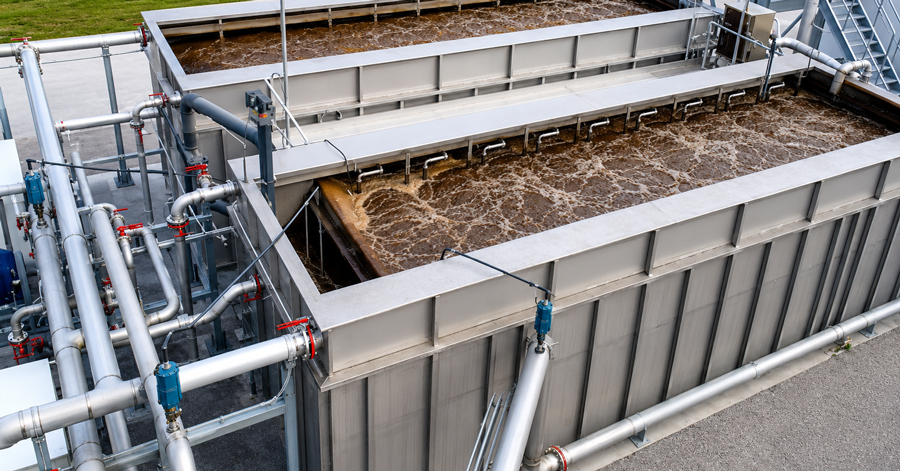
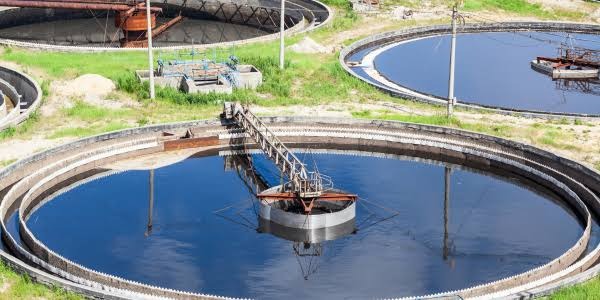
Sewage treatment plants rarely operate under perfectly stable conditions. The quantity and characteristics of incoming sewage can change throughout the day due to variations in occupancy, water consumption, commercial activity, rainfall, and other factors. During peak hours, an STP may receive a sudden increase in flow and organic load, while during low-demand periods, the incoming load may decrease significantly.
These fluctuations can affect treatment efficiency if the system is not designed to respond effectively. Conventional treatment systems may experience changes in sludge settling, effluent quality, or biological performance when sewage loads vary. Membrane Bioreactor (MBR) systems offer a more advanced approach by combining biological wastewater treatment with membrane filtration.
By maintaining a stable biological process and using membranes for solid-liquid separation, MBR technology can help STPs deliver consistent treated water quality even when sewage loads change. Advanced water treatment technologies, including a Zero liquid discharge ETP, can further support sustainable wastewater management by improving water recovery, reducing wastewater discharge, and enabling the reuse of treated water for suitable applications.
A sewage treatment plant does not always receive the same volume or concentration of wastewater. The incoming sewage can vary in several ways:
Flow fluctuations
caused by peak water usage during specific hours.
Organic load variations
due to changing concentrations of BOD and COD.
Sudden increases in wastewater volume
during events or high occupancy periods.
Dilution of sewage
caused by rainwater entering the sewer network.
Changes in wastewater characteristics
from residential, commercial, or institutional sources.
For example, a residential complex may generate high sewage flow during the morning and evening. A commercial building may experience greater wastewater generation during working hours and significantly lower loads at night or on weekends.
These changing conditions create operational challenges for the biological treatment process. Microorganisms need suitable conditions to break down organic pollutants efficiently. Significant fluctuations in loading can affect the stability of the biological system and make it more difficult to maintain consistent treatment performance.
How MBR Technology Creates a More Stable Treatment Process
An MBR system combines a biological reactor with membrane filtration. In a conventional activated sludge process, treated water and biomass are separated mainly through a secondary clarifier. In an MBR system, membranes perform the solid-liquid separation process.
The membrane acts as a physical barrier that retains suspended solids and microorganisms inside the biological treatment system while allowing treated water to pass through.
This design offers an important advantage under changing sewage loads. Even when the incoming wastewater characteristics fluctuate, the system can maintain a high concentration of active biomass within the bioreactor.
As a result, the biological process can remain more stable and continue treating wastewater effectively.
Higher Biomass Concentration Supports Load Variations
One of the key advantages of MBR systems is their ability to operate with a higher concentration of microorganisms compared with many conventional biological treatment systems.
These microorganisms are responsible for breaking down biodegradable organic matter in sewage. When the incoming organic load increases, a strong and well-maintained microbial population can help the treatment system respond more effectively.
Higher biomass concentration can provide several operational benefits:
- Improved degradation of organic pollutants.
- Better handling of short-term load increases.
- Greater biological treatment capacity within a compact space.
- Reduced dependence on sludge settling performance.
Instead of relying heavily on a secondary clarifier to separate biomass from treated water, the membrane retains microorganisms within the treatment system. This helps maintain the biological population even when flow conditions change.
Consistent Solid-Liquid Separation During Flow Fluctuations
Changing sewage loads can affect the performance of conventional clarifiers. Higher flow conditions may influence settling behaviour and increase the risk of suspended solids leaving with the treated water.
MBR systems address this challenge by using membrane filtration for separation.
The membrane retains fine suspended solids, bacteria, and biomass inside the system. This means treated water quality is less dependent on gravity-based sludge settling.
During variations in sewage flow, the membrane continues to provide a controlled separation barrier. This can help produce treated water with lower suspended solids and improved clarity.
For facilities where consistent effluent quality is important, this is a major operational advantage.
Better Response to Sudden Organic Load Increases
An STP may occasionally receive wastewater with a higher concentration of organic pollutants. This can increase the BOD and COD load entering the biological treatment process.
If the treatment system is not prepared for these changes, microorganisms may become overloaded, affecting overall performance.
MBR technology can improve resilience by maintaining a concentrated and active biomass population. With proper process control, the system can continue to support biological degradation during moderate load fluctuations.
The ability to retain biomass inside the reactor also reduces the risk of valuable microorganisms being washed out during changes in hydraulic conditions.
However, it is important to note that no treatment technology can handle unlimited shock loads without proper design. Equalisation tanks, aeration control, load monitoring, and appropriate system sizing remain important for achieving reliable performance.
Improved Effluent Quality Despite Changing Conditions
One of the main goals of an STP is to consistently produce treated water that meets the required discharge or reuse standards.
Fluctuating sewage loads can make this challenging. Changes in flow, pollutant concentration, and biological activity may affect the quality of treated water.
MBR systems help improve consistency by combining biological treatment with fine membrane filtration. The membrane provides an additional level of separation that helps prevent suspended biomass from escaping with the treated water.
This can support:
- Lower suspended solids in the treated water.
- Improved removal of biodegradable organic matter.
- Reduced turbidity.
- Better quality water for suitable reuse applications after required treatment.
- More consistent treatment performance.
For buildings, residential communities, hotels, commercial facilities, and institutions that require reliable water quality, MBR-based STPs can provide a strong foundation for water reuse strategies.
Compact Design Helps Manage Variable Loads
Space availability is often a major concern, especially in urban developments and commercial properties.
Conventional sewage treatment systems may require large settling tanks and additional treatment units. MBR systems can reduce the footprint required for solid-liquid separation because they eliminate the need for a conventional secondary clarifier in many configurations.
A compact design can make it easier to install advanced treatment systems where land availability is limited.
At the same time, compact treatment does not mean that system design can be ignored. The STP must still be designed based on factors such as:
- Average and peak sewage flow.
- BOD and COD concentration.
- Load variation patterns.
- Required treated water quality.
- Reuse or discharge requirements.
- Future capacity requirements.
A properly designed MBR system can therefore provide both compactness and operational flexibility.
Automation Improves Control During Load Changes
Modern MBR systems can be integrated with sensors, automation, and process monitoring equipment. These tools help operators understand how the STP is performing as sewage conditions change.
Parameters such as flow rate, dissolved oxygen, membrane pressure, pH, and other treatment indicators can be monitored to support better operational decisions.
For example, when the organic load increases, aeration requirements may also change. Automated control systems can help optimise equipment operation based on actual treatment conditions.
This provides several benefits:
- Faster response to operational changes.
- Better control of biological treatment.
- Improved energy management.
- Early identification of membrane fouling.
- Reduced dependence on manual monitoring.
Automation does not replace proper operation and maintenance, but it can help operators manage changing sewage loads more efficiently.
Membrane Retention Reduces the Risk of Biomass Loss
Maintaining a healthy microbial population is essential for biological sewage treatment. In conventional systems, significant hydraulic changes can sometimes affect sludge separation and lead to biomass loss.
MBR membranes retain the biological solids inside the reactor. This allows the system to maintain a more stable microbial population and longer sludge retention time.
A stable biomass concentration can support consistent biological activity even when influent flow changes throughout the day.
This feature is particularly useful in applications where sewage generation is highly variable, such as residential complexes, hotels, educational institutions, commercial buildings, and mixed-use developments.
Important Factors for Reliable MBR Performance
Although MBR systems offer several advantages, their performance depends on proper design and operation. Changing sewage loads should be considered during the initial STP design stage.
An effective MBR system should include appropriate:
Equalisation Capacity
An equalisation tank can help reduce sudden fluctuations by balancing incoming sewage flow before it enters the biological treatment process.
Aeration Control
Microorganisms require sufficient oxygen for aerobic biological treatment. Variable loads may require adjustments in aeration to maintain efficient performance.
Membrane Cleaning
Membrane fouling must be managed through suitable cleaning procedures and operational controls. Regular maintenance helps maintain filtration efficiency.
Process Monitoring
Continuous monitoring helps operators identify changes in sewage characteristics and adjust the system accordingly.
Proper System Design
The MBR system should be designed for both average and peak loading conditions rather than only normal operating conditions.
When these factors are addressed, MBR technology can provide reliable and efficient STP performance.
Supporting Water Reuse Through Reliable Treatment
As water availability becomes an important concern for residential, commercial, and industrial developments, treated sewage is increasingly being considered as a valuable resource.
High-quality treated water can potentially be reused for applications such as:
- Toilet flushing.
- Landscape and irrigation.
- Cooling tower make-up, subject to water quality requirements.
- Gardening.
- Other non-potable applications.
MBR systems can support water reuse by producing consistently high-quality treated effluent. Additional treatment, such as disinfection or advanced filtration, may be required depending on the intended reuse application and applicable regulations.
By improving treatment reliability, MBR-based STPs can help reduce dependence on freshwater for suitable non-potable uses.
Conclusion
Changing sewage loads are a common challenge for sewage treatment plants. Daily fluctuations in flow and pollutant concentration can affect biological treatment, sludge separation, and treated water quality.
MBR systems improve STP performance under changing sewage loads by maintaining a high concentration of active biomass, providing reliable membrane-based solid-liquid separation, reducing the risk of biomass loss, and supporting consistent effluent quality. While MBR technology is widely used for sewage treatment, similar advanced treatment approaches are also important in developing effective Industrial wastewater treatment solutions for managing complex effluents and improving water reuse.
When combined with proper equalisation, automation, aeration control, membrane maintenance, and process monitoring, MBR technology can help STPs operate more efficiently under variable conditions.
For residential, commercial, institutional, and other developments where space is limited and treated water quality needs to remain consistent, an MBR-based sewage treatment plant can provide a flexible and advanced solution for long-term wastewater management and water reuse.