Freshwater is one of the most important natural resources for industries, but it is becoming increasingly scarce due to rapid urbanisation, industrial growth, and climate change.
Manufacturing plants, food processing units, textile industries, pharmaceutical companies, and chemical factories consume large amounts of water every day. As water demand continues to rise, industries must adopt sustainable practices to reduce their dependence on freshwater sources.
One of the most effective ways to achieve this is by recovering and reusing wastewater through industrial wastewater treatment solutions. Instead of disposing of used water after a single use, industries can treat it and recycle it for various operational purposes. Modern treatment systems help conserve freshwater, reduce operational costs, and support sustainable industrial growth. This not only conserves freshwater but also reduces operational costs, supports environmental protection, and helps businesses comply with environmental regulations.
Why Wastewater Recovery Is Important
Industrial wastewater is generated during manufacturing, cleaning, cooling, and processing activities. If it is discharged without proper treatment, it can contaminate rivers, lakes, and groundwater, causing serious environmental damage.
Recovering wastewater allows industries to convert used water into a valuable resource. Treated wastewater can often be reused safely for many industrial processes, reducing the need for fresh water and lowering wastewater discharge volumes.
The key benefits of wastewater recovery include:
- Reduced freshwater consumption
- Lower water procurement costs
- Reduced environmental pollution
- Improved compliance with environmental regulations
- Better sustainability performance
- Increased operational efficiency
Conduct a Water Usage Assessment
Before implementing a wastewater recovery system, industries should understand how water is being used throughout their facility.
A water assessment helps identify:
- Processes that consume the most water
- Areas where water is wasted
- Opportunities for recycling and reuse
- Water quality requirements for different applications
By understanding water usage patterns, businesses can develop a more effective watermanagement strategy and prioritize areas where recycled water can replace freshwater.
Treat Wastewater with Advanced Technologies
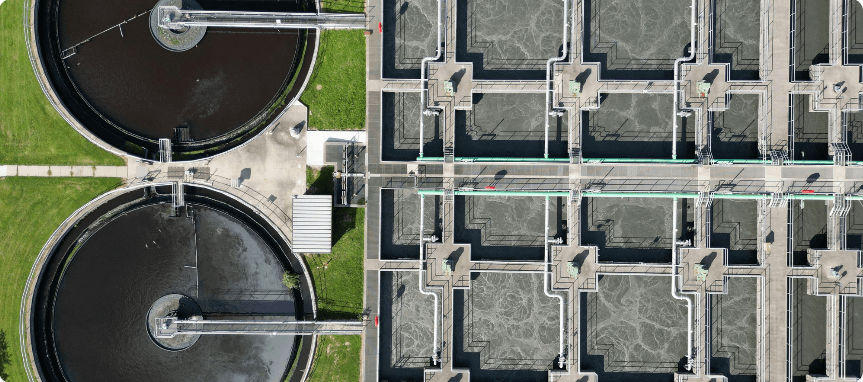
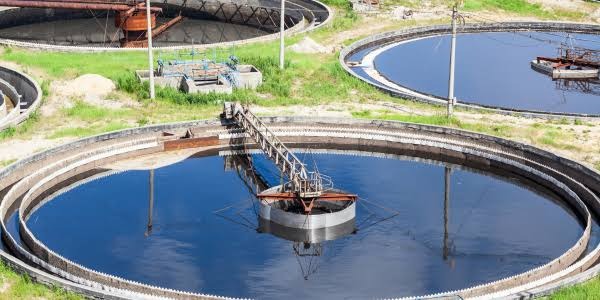
The quality of recovered water depends on the treatment process. Modern wastewater treatment technologies remove contaminants and produce water that can be safely reused for industrial applications.
Common treatment methods include:
Primary Treatment
This stage removes large solids, sediments, and floating materials from wastewater.
Secondary Treatment
Biological treatment removes organic matter using microorganisms that naturally break down pollutants.
Tertiary Treatment
This advanced stage removes dissolved solids, bacteria, viruses, and remaining impurities through technologies such as filtration, reverse osmosis, ultraviolet disinfection, or membrane systems.
The choice of treatment technology depends on the type of industry and the quality of water required for reuse.
Reuse Treated Water in Industrial Operations
Not every industrial process requires drinking-quality water. Properly treated wastewater can be reused in several non-potable applications without affecting productivity.
Common uses include:
- Cooling towers
- Boiler systems (after additional treatment if required)
- Equipment cleaning
- Floor washing
- Landscape irrigation
- Dust suppression
- Toilet flushing
- Construction activities
To learn more about global water reuse practices and the benefits of recycling treated wastewater, refer to the U.S. Environmental Protection Agency's Water Reuse and Recycling resources, which provide valuable guidance on sustainable water management for industrial and non-industrial applications.
Implement Water Recycling Systems
Many industries now install dedicated water recycling systems that continuously collect, treat, and redistribute wastewater within the facility.
These systems help industries:
- Reduce freshwater intake
- Lower wastewater disposal costs
- Increase water recovery rates
- Improve production efficiency
Closed-loop water recycling systems are particularly beneficial because they allow water to be reused multiple times before disposal, maximizing water conservation.
Monitor Water Quality Regularly
Consistent monitoring is essential to ensure that recycled water meets the required quality standards.
Industries should regularly monitor:
- pH levels
- Total Dissolved Solids (TDS)
- Chemical Oxygen Demand (COD)
- Biological Oxygen Demand (BOD)
- Turbidity
- Microbial contamination
Modern sensors and automated monitoring systems provide real-time data, allowing operators to quickly identify and resolve water quality issues.
Reduce Water Loss Across the Facility
Recovering wastewater is only part of an effective water conservation strategy. Industries should also minimize unnecessary water loss.
Simple measures include:
- Repairing leaking pipes and valves
- Installing water-efficient equipment
- Optimizing cleaning processes
- Reusing rinse water where possible
- Conducting routine maintenance of water systems
Even small improvements can result in significant water savings over time.
Train Employees on Water Conservation
Successful wastewater reuse programs require employee involvement.
Training staff on water conservation practices helps create awareness and encourages responsible water usage throughout the organisation.
Employees should understand:
- Proper equipment operation
- Water-saving practices
- Leak reporting procedures
- Importance of wastewater recycling
- Environmental compliance requirements
A well-informed workforce can identify opportunities to improve water efficiency in daily operations.
Invest in Long-Term Sustainable Solutions
While installing wastewater treatment and recycling systems requires an initial investment, the long-term benefits often outweigh the costs.
Industries can achieve:
- Lower operating expenses
- Reduced dependence on freshwater supplies
- Improved environmental performance
- Better compliance with regulations
- Enhanced corporate reputation
As water scarcity continues to affect many regions, sustainable water management is becoming an essential part of responsible industrial operations.
Conclusion
Recovering and reusing wastewater is one of the most practical and effective ways for industries to reduce freshwater consumption. By adopting industrial wastewater treatment solutions, recycling treated water for suitable applications, and implementing advanced technologies such as Zero Liquid Discharge ETP systems, businesses can significantly reduce operating costs while protecting valuable freshwater resources.
Sustainable water practices not only benefit the environment but also strengthen business resilience in the face of growing water challenges. Industries that invest in wastewater recovery today are better prepared for future regulations, rising water costs, and increasing environmental expectations. Adopting a comprehensive wastewater reuse strategy is an important step toward building a more sustainable and water-efficient industrial future.